My Last Flying Duck Funny Duck SVG Review
First Impressions: A Playful, Whimsical Embroidery Design
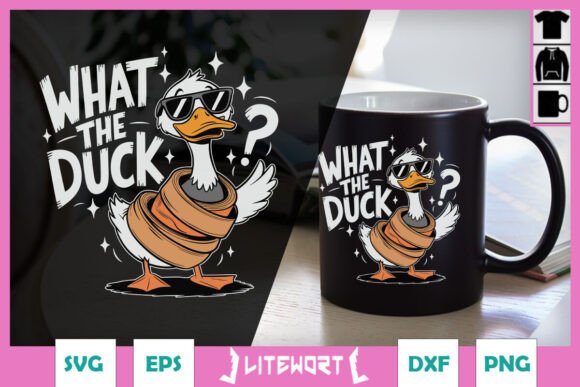
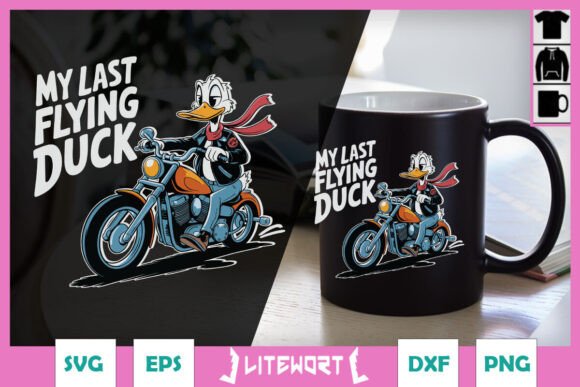
When I first opened the files for My Last Flying Duck Funny Duck SVG, I immediately got a sense of humor and lightheartedness. The duck illustration is cartoony, exaggerated in all the right places, and clearly meant to make people smile. The flying motion is implied through a dynamic pose and a slightly windblown expression, giving the design a fun and energetic vibe. It’s not overly detailed, which is a plus for embroidery use, and the lines are bold enough to hold up well when stitched.
This isn’t a design that takes itself too seriously, and that’s exactly what makes it great for certain niche markets — think baby items, novelty gifts, or boutique-style apparel. If you're looking for something that adds a touch of personality without being too complex, this design checks a lot of boxes.
Real-Life Use: From Tote Bags to Sweatshirts
I tested this design on a few different fabric types to see how it would perform in actual embroidery scenarios. On a cotton tote bag, the duck stitched out cleanly with minimal distortion. The satin and fill stitches held up well, especially around the beak and eyes, which are often problem areas for small details.
On a thicker fabric like a sweatshirt, the design maintained its clarity, though I did notice the need for a bit more stabilizer to prevent puckering. This is especially important for the duck’s wings and tail feathers — areas where the stitch density increases slightly. Still, nothing got lost in translation, and the overall effect was charming and professional enough for a handmade product.
When applied to a baby onesie, the design scaled down nicely. I resized it to fit within a 4x4 hoop, and while some of the finer outlines softened a bit, the character of the duck remained intact. It would make a great addition to a custom baby gift set or a boutique-style layette line.
Where It Shines — And Where to Be Cautious
My Last Flying Duck Funny Duck SVG works best on smooth, stable fabrics like cotton, canvas, and mid-weight knits. It’s ideal for tote bags, tea towels, aprons, and casual apparel where a touch of humor fits the product. I could easily see this design used in a small shop selling novelty embroidered items or as a digital embroidery file for Etsy sellers looking to add character to their offerings.
However, there are a few caveats. On dark fabrics, the lighter thread colors can look washed out if not carefully selected. I recommend testing different color palettes, especially if you're aiming for contrast. Also, avoid using this design on stretchy or textured fabrics without proper stabilizer support — the duck’s fine outlines can distort or sink into the fabric texture.
Be cautious when applying it to curved surfaces like caps or hats. The duck’s posture and wingspan might require some repositioning or scaling to avoid distortion. Similarly, if you're working with layered garments or thick seams, consider how the design placement will affect stitch coverage and fabric tension.
Visual Appeal and Practical Value
From a visual standpoint, this design adds a strong personality to any product it's stitched onto. It’s instantly recognizable and has a unique charm that sets it apart from generic embroidery files. That kind of distinctiveness is valuable for crafters and small business owners looking to build a brand identity through their handmade products.
Stitching clarity is generally good, assuming you use the right materials and settings. The satin stitches are tight enough to look clean but not so dense that they cause stiffness or puckering. Fill stitches are evenly distributed, and there are no problematic thread jumps or awkward transitions in the stitch path.
As for product value, this design enhances the handmade appeal of items like personalized gifts or boutique apparel. It gives a sense of craftsmanship and attention to detail, which can boost customer trust and engagement. If you're selling embroidered items online or at craft fairs, designs like this help create memorable, shareable products.
Designer Notes: Practical Tips for Using My Last Flying Duck Funny Duck SVG
- Test on scrap fabric first — especially if you're using an unfamiliar thread or fabric type.
- Check thread color contrast — lighter colors may need a backing or underlay to pop on dark fabrics.
- Review stitch density — avoid over-stitching, especially in the wings and tail feathers.
- Confirm hoop size — resizing may be needed for smaller or curved surfaces.
- Inspect small details — the duck’s eyes and beak should stitch clearly without fraying.
- Try black and white mockups — this helps visualize how the design will look before committing to thread colors.
- Compare light and dark backgrounds — some elements may need color adjustments for visibility.
- Use proper stabilizer — tear-away or cut-away depending on fabric type and design size.
- Check commercial use licensing — if you're selling finished products or digital embroidery files, make sure the license allows it.
Final Thoughts: A Fun Addition to Your Embroidery Design Kit
My Last Flying Duck Funny Duck SVG isn’t just a novelty — it’s a practical, usable design with real project potential. Whether you're creating custom apparel, embroidered patches, or personalized gifts, this design brings a smile and a sense of playfulness to your work.
It’s especially well-suited for crafters, Etsy sellers, and small business owners who want to stand out with unique, character-driven embroidery. Just keep in mind the fabric and placement considerations, and you’ll be set for a smooth stitching experience.
If you're looking for a machine embroidery design that’s both fun and functional, this one deserves a spot in your design assets collection.